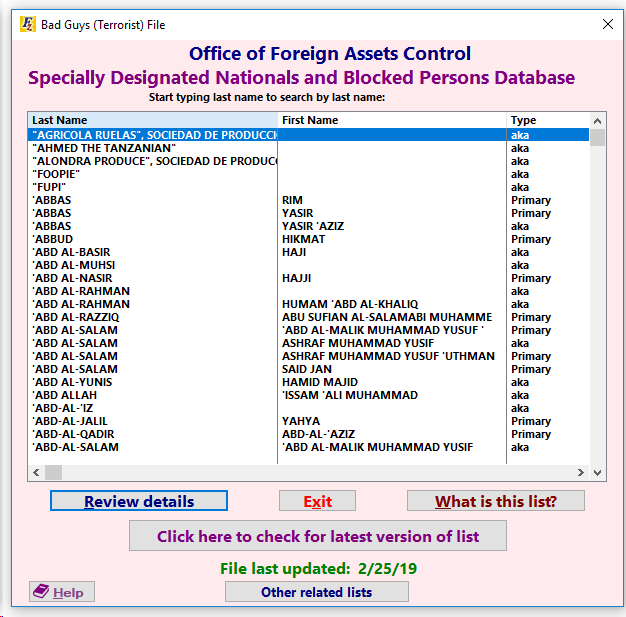
In an increasingly interconnected world, the significance of legal regulations surrounding international trade cannot be overstated. One of the vital agencies in the United States that regulates economic activity with foreign countries is the Office of Foreign Assets Control (OFAC). The OFAC maintains the Specially Designated Nationals and Blocked Persons (SDN) List, which encompasses individuals and entities that engage in activities harmful to U.S. national security or foreign policy. Understanding OFAC Delisting (SDN List Removal) OFAC Delisting (SDN List Removal) is crucial for affected parties looking to navigate this complex landscape.
What is OFAC?
The Office of Foreign Assets Control (OFAC) is an office of the U.S. Department of the Treasury. It administers and enforces economic and trade sanctions based on U.S. foreign policy and national security goals. These sanctions often target countries, regimes, and individuals involved in terrorism, narcotics trafficking, international narcotics control, and other criminal activities. As part of its regulatory framework, OFAC creates the SDN List to inform the public about parties that face restrictions due to their affiliations or actions that threaten U.S. interests.
Understanding the SDN List
The SDN List includes individuals and entities whose assets are blocked, and U.S. persons are generally prohibited from engaging in business dealings with them. Being listed on this list can have severe consequences for individuals and companies, including reputational damage, financial losses, and legal liabilities. Entities may find themselves struggling to engage with financial institutions, suppliers, and partners, often leading to significant operational setbacks.
Reasons for Listing on the SDN List
There are various reasons for a party’s inclusion on the SDN List. This may include involvement in drug trafficking, terrorism, proliferation of weapons of mass destruction, or a range of illicit financial activities. The designation is often based on credible information gathered by U.S. intelligence and law enforcement agencies, leading to a classification that can significantly disrupt one’s ability to operate in an international marketplace.
The Process of Delisting
Delisting from the SDN List represents a significant relief for those affected. The process of removal, however, is not straightforward; it involves a series of procedural steps that require due diligence. Affected parties need to provide convincing evidence that supports their claim for removal. This may include demonstrating that the reasons for their listing are no longer applicable, such as adopting appropriate compliance measures or severing ties with harmful affiliations.
Application for Delisting
The first step in seeking removal from the SDN List involves submitting a request to OFAC. This application must include comprehensive and well-documented evidence that addresses the reasons for the original listing. Key components of the application may involve:
- Detailed explanations of the changes in circumstance that justify delisting.
- Evidence of compliance efforts and good conduct.
- Legal and financial documentation supporting the case.
- Any relevant third-party endorsements or testimonies.
Legal Representation
Given the complexities involved in the delisting process, seeking professional legal counsel can be incredibly beneficial. Attorneys experienced in dealing with OFAC regulations can help individuals and entities navigate the intricacies of the application process. They can assist in compiling necessary documentation, crafting persuasive narratives, and addressing compliance and legal issues that may arise.
Review and Decision by OFAC
Once the application is submitted, OFAC conducts a thorough review of the case. This process can take several months, as OFAC must verify the information presented and ensure the applicant meets the criteria for delisting. If the application is denied, the applicant will receive a notification outlining the reasons for the denial, and they may have an opportunity to respond or appeal the decision.

Implications of Delisting
Upon successful delisting, parties can resume normal business operations, restoring relationships with financial institutions and partners. However, it is essential to understand that being delisted does not necessarily mean past allegations or activities are absolved. Entities must still maintain compliance with U.S. laws and regulations to prevent future listings.
Conclusion
In summary, navigating the OFAC delisting process requires a solid understanding of the regulations, diligent preparation of documentation, and the potential for legal representation. The ramifications of being listed on the SDN List can be severe, impacting an entity’s ability to conduct business. By taking proactive steps to address the reasons for their listing and following the proper channels for delisting, individuals and organizations can work toward restoring their legitimacy and operations.